
Evening Walk is a herbal tea blend that originated in the Mediterranean region, traditionally crafted to promote relaxation and well-being after a long day. This infusion typically combines calming herbs such as chamomile, lavender, and lemon balm, known for their soothing properties. Rich in antioxidants and essential oils, Evening Walk not only aids digestion but also supports stress relief and improved sleep quality. Its natural composition ensures a caffeine-free experience, making it an ideal choice for evening consumption. Historically, communities have relied on this blend to unwind and foster mental clarity, often incorporating it into nightly rituals. The teas delicate floral and citrus notes create a comforting aroma, enhancing its therapeutic benefits and making Evening Walk a cherished part of holistic health practices.
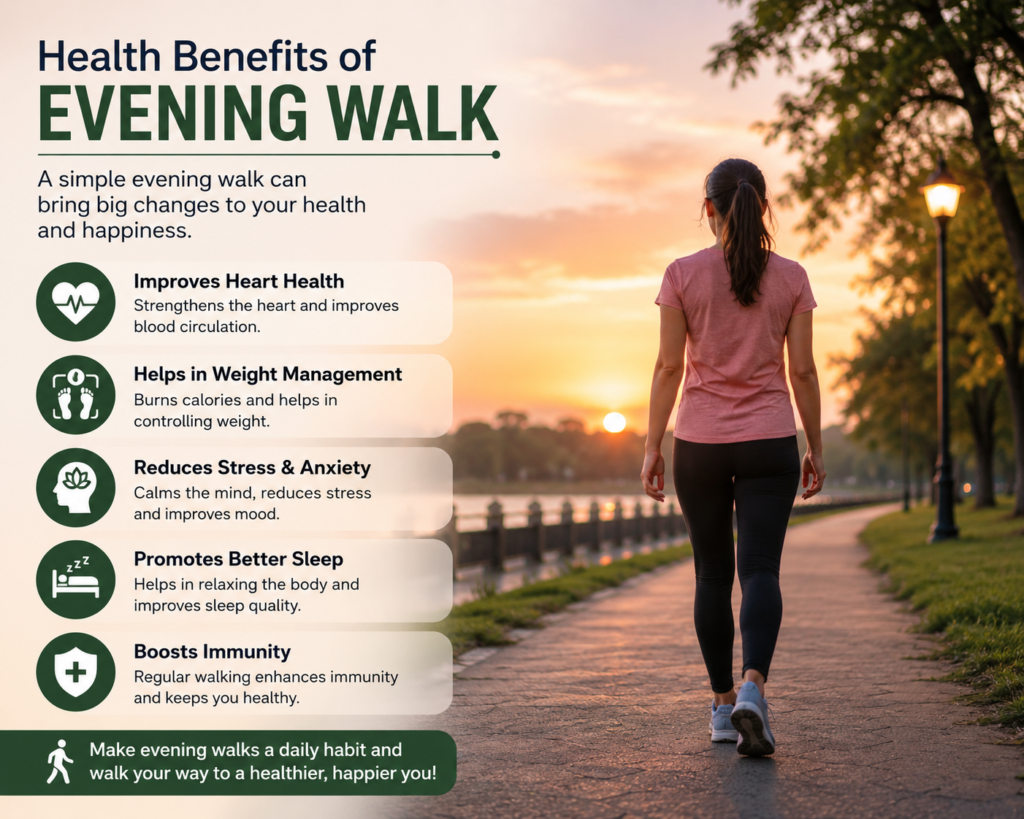
An evening walk helps strengthen the heart by promoting better blood circulation and reducing blood pressure. Regular walking can lower the risk of heart disease by improving cholesterol levels and reducing arterial stiffness. It also helps maintain a healthy weight, which is crucial for cardiovascular health. Engaging in a moderate-intensity walk in the evening can enhance heart rate variability, a marker of heart health. Over time, this simple activity contributes to a stronger heart muscle and better endurance, making it an excellent natural way to support overall heart function and reduce the risk of stroke and heart attacks.
Walking in the evening can significantly boost mental health by reducing stress and anxiety levels. The physical activity triggers the release of endorphins, often called feel-good hormones, which improve mood and promote relaxation. Evening walks also provide time for reflection and mindfulness, helping to clear the mind after a busy day. Exposure to natural surroundings or fresh air during the walk further enhances mental clarity and emotional balance. This practice can aid in combating symptoms of depression and improve overall psychological resilience, leading to a calmer and more positive outlook on life.
Taking a walk in the evening helps burn calories and boosts metabolism, which are essential for effective weight management. Unlike sedentary activities, walking increases energy expenditure without putting excessive strain on the body. Consistent evening walks can help reduce body fat and maintain muscle tone, contributing to a healthier body composition. Additionally, walking after dinner may help regulate blood sugar levels, preventing spikes that can lead to fat storage. This sustainable form of exercise encourages a balanced lifestyle, making it easier to maintain or achieve a healthy weight over time.
An evening walk aids digestion by stimulating the muscles in the gastrointestinal tract, which helps move food through the digestive system more efficiently. Walking after a meal can reduce bloating and prevent constipation by encouraging smoother bowel movements. This gentle exercise also enhances blood flow to the digestive organs, promoting better nutrient absorption. By reducing stress levels, evening walks can minimize digestive discomfort caused by anxiety or tension. Incorporating this habit into your routine can lead to improved overall digestive health and a greater sense of comfort after eating.
Engaging in an evening walk can promote better sleep by helping to regulate the bodys internal clock and reducing stress. Physical activity increases the production of serotonin, a neurotransmitter that influences sleep patterns and mood. Walking also helps to expend excess energy, making it easier to fall asleep and stay asleep throughout the night. The calming effect of gentle exercise combined with exposure to natural light during dusk supports the circadian rhythm. Better sleep quality contributes to improved cognitive function, mood stability, and overall health.
Regular evening walks can strengthen the immune system by promoting circulation and encouraging the production of immune-boosting cells. Moderate physical activity increases the efficiency of white blood cells, which play a critical role in defending the body against infections. Walking outdoors also exposes the body to fresh air and natural elements that can help build resilience over time. By reducing stress hormones, evening walks prevent immune suppression caused by chronic tension. This simple habit supports the bodys natural defenses, reducing the frequency and severity of common illnesses.
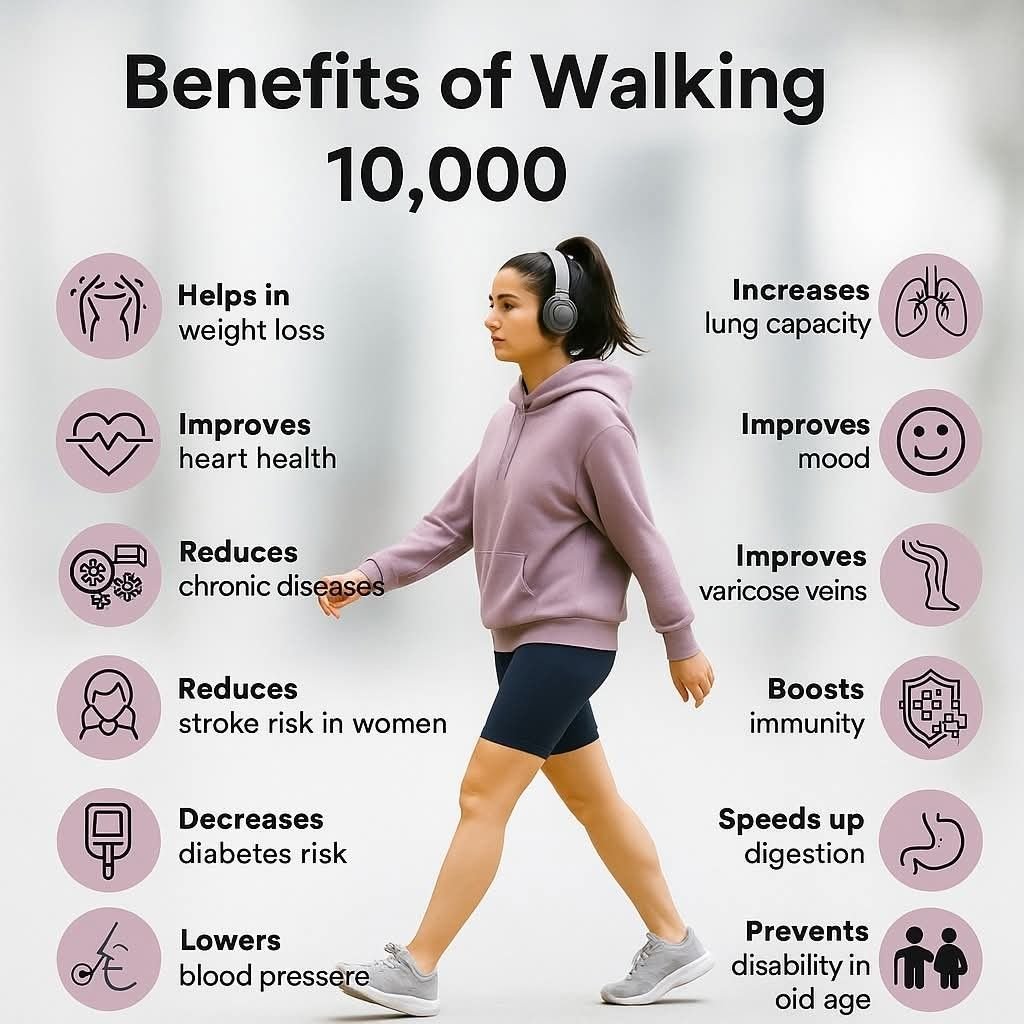
Incorporating an evening walk into daily routines offers a holistic approach to enhancing both physical and mental well-being. This simple activity not only aids in weight management and cardiovascular health but also promotes better digestion and improved sleep quality. Additionally, the calming effects of a peaceful stroll help reduce stress and anxiety, fostering a clearer mind and emotional balance. Evening walks provide a valuable opportunity to connect with nature, unwind after a busy day, and encourage mindfulness. By making this habit a consistent part of life, individuals can experience long-term health improvements, increased energy levels, and a greater sense of overall vitality. Ultimately, the evening walk serves as an accessible and effective tool for nurturing a healthier, happier lifestyle.
Lorem ipsum dolor sit amet, consectetur adipiscing elit. Ut elit tellus, luctus nec ullamcorper mattis, pulvinar dapibus leo.
Who Are We
Our Mission
Awards
Experience
Success Story
Who Are We
Our Mission
Awards
Experience
Success Story
© 2023 Created with Royal Elementor Addons
No WhatsApp Number Found!
WhatsApp us